
Safe selection • Australian homes and businesses
The best safe is the one whose proven protection, usable space and installation suit what you cannot afford to lose. Start with the contents and risks, then choose the safe.
The value inside should guide the protection outside
A lightweight lockable box is a poor match for a substantial cash holding or valuable jewellery collection. As the value and consequences of loss increase, the case for stronger documented burglary protection, appropriate fire protection and professional installation becomes stronger. The purchase price alone does not tell you how protective a safe is.
ABETTA does not generally sell safes. This educational section helps Sunshine Coast households and businesses prepare a sensible specification before speaking to a safe supplier and insurer. Brand examples are references, not a claim that ABETTA is an authorised dealer.
Start here: what are you protecting?
Cash, jewellery or bullion
Prioritise documented burglary resistance, the insurer’s accepted specification and anchoring. Add suitable fire protection for cash and sensitive valuables.
Passports, deeds and paper records
Prioritise a tested paper fire classification and practical storage dimensions. Decide separately how much burglary protection you need.
Backups and digital media
Check the rating against the actual media being stored. A paper-rated safe is not automatically suitable for drives, USB devices or other electronics. Keep a separate backup.
Business takings or specialist contents
Specify peak overnight holdings, staff access and deposit procedures. Medicines and firearms introduce separate compliance questions; a cash rating does not answer them.
Seven steps to a sensible safe purchase
- Make a private inventory. Separate cash, jewellery, bullion, documents and media. Record replacement values, maximum cash held at any one time and sentimental or operational consequences. Do not send combinations or detailed storage locations with an enquiry.
- Define the threats. Consider opportunistic theft, a targeted burglary, removal of the whole safe, fire, water and loss of authorised access. A safe can address some of these without addressing all of them.
- Ask the insurer first. Confirm cover for the contents, any category limits and the acceptable safe, lock, alarm and installation arrangements. Keep the written response.
- Compare evidence. Ask for the exact burglary grade or cash-rating basis and the separate fire standard, class and duration. Match certificates to the model and configuration quoted.
- Measure usable capacity. Allow for document folders, jewellery cases, trays and future additions. Check the door opening and internal dimensions, not only litres or external dimensions.
- Check the site and access route. A suitable anchor substrate, floor capacity, stairs, doorways, door swing and moving equipment can determine which models are practical.
- Compare complete installed quotes. Include GST, freight, placement, anchoring, access costs, lock option and servicing arrangements. Recheck insurance acceptance before ordering.
How much should I spend?
There is no universal safe-price-to-contents-value percentage. Use the contents value to set the required level of protection, then price safes that meet it. Spending more on decorative finishes or extra capacity does not necessarily buy a better burglary grade. Equally, spending too little can leave a valuable collection protected only against casual interference.
For illustration only, a $2,500 safe protecting $50,000 costs 5% of the contents value; a $5,000 safe costs 10%. Neither calculation proves that the safe is suitable, and these figures are not current product quotes or recommended spending thresholds. A smaller, well-specified safe can make more sense than a large cabinet with weak or undocumented protection.
Set a budget for the complete installation, rather than spending everything on the cabinet and leaving anchoring or access costs unfunded. If the required protection is unaffordable or cannot be installed properly, consider reducing what is kept onsite or investigating secure offsite storage with suitable cover.
Questions that reveal more than a sales brochure
- Who issued the burglary and fire certificates, and where can I verify them?
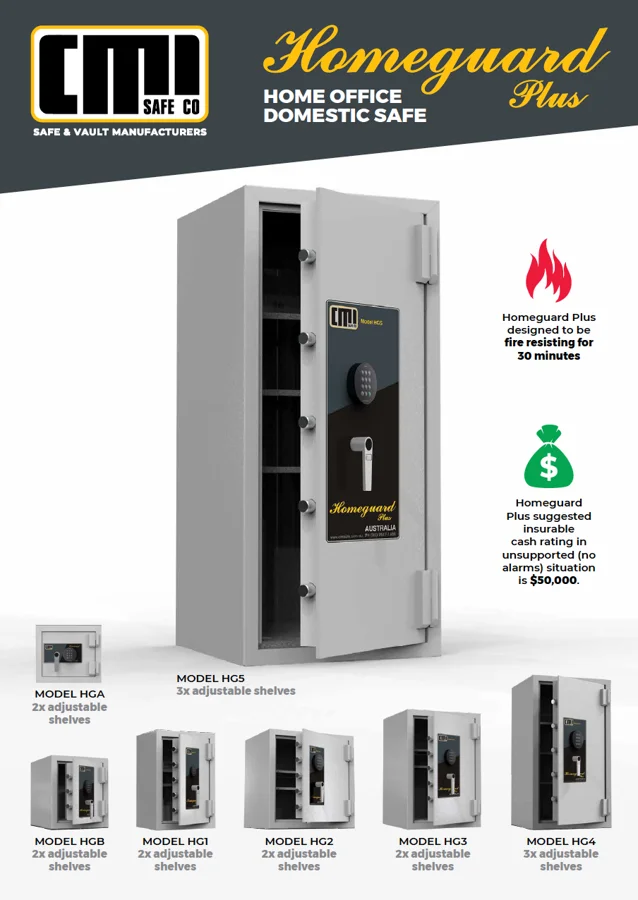
- Is the advertised cash figure a suggested manufacturer rating or accepted by my insurer?
- Does the fire classification apply to my contents, and what exactly was tested?
- Is the quoted locking configuration covered by the certification?
- What anchoring does the manufacturer require for this model?
- Who services the lock locally, and what happens if I lose access?
- Does delivery include placement and fixing, or only kerbside unloading?
Explore the safe knowledge section
Common questions
Is the heaviest safe always the best?
No. Weight affects handling and removal risk, but independently documented performance is more useful than weight alone. Choose the safe and installation together.
Will one safe protect everything?
Only if its burglary and fire specifications suit every category you intend to store. Sometimes separate document/media protection and a burglary safe are a better fit.
Can I rely on the brand name?
Compare the exact model. A manufacturer may offer domestic security boxes, document cabinets and high-security commercial safes with very different purposes.
Insurance companies explain why cover needs checking
Read our direct insurer sources from RACV, AAMI, Suncorp, Allianz and RACQ. They explain cash or valuables limits, specified items and differences between cover at home and away. These support checking your own policy with your insurer; a safe’s advertised rating does not create insurance cover.
Research basis
Our selection process combines manufacturer specifications, published test classifications and insurance guidance. CHOICE’s home-safe guide supports checking ratings and installation, while ASIC Moneysmart explains contents valuations and policy limits. Detailed references appear on the linked guides. Reviewed 10 October 2026.