
Manufacturer reference • Jorgensen Active Safes
A custom or specialist safe should be assessed against a written requirement. Jorgensen’s public information is a starting point for an enquiry, rather than a universal rating for every safe it makes.
This is an educational reference. ABETTA does not generally sell safes and does not claim a dealership relationship with Jorgensen.
What the public information establishes
Jorgensen Active Safes says it has manufactured security safes in Queensland since 1990. Its website describes custom drug and government/security safes, cash safes, installation, lock servicing, and second-hand or restored safes. Official Jorgensen website.
Its government-safe page states that those products are not for public view and directs enquiries to the company. We do not infer public model specifications or certification from that statement.
What needs model-specific confirmation
Do not assume a cash or fire rating
The public pages reviewed do not establish a specific independently certified burglary grade or a quantified fire classification for a particular Jorgensen model suitable for our $50,000 cash example. Ask the company for the proposed model’s evidence and submit it to your insurer.
A specialist storage purpose is not proof of all-round cash, jewellery, burglary or fire performance. Likewise, steel thickness alone does not establish a fire rating or independent burglary grade.
Drug-safe construction is not a general safe rating
The official drug-safe page describes 10 mm steel door and body construction, mounting provisions and key, electronic or combination locking options. These are construction and configuration details. They should not be converted into an assumed cash rating, a paper fire classification or blanket compliance for every regulated setting.
If the contents are medicines or firearms, establish the requirements for your particular use with the relevant authority and the supplier. This section concerns selecting safe protection; it does not replace regulated-storage advice.
Prepare a clear custom-safe brief
- Contents and maximum value: distinguish money, jewellery, bullion, records and any regulated items.
- Required performance: specify burglary evidence and fire class/duration separately.
- Capacity: provide the largest item dimensions, shelf or tray requirements and future allowance.
- Access control: describe the number of authorised users and any need for individual codes, time delay or records.
- Installation: state the substrate, floor type, access restrictions and proposed placement.
- Acceptance: require supporting documentation and insurer approval for the final configuration.
Questions worth asking Jorgensen
- Which exact model or custom configuration is proposed?
- Is a suggested cash figure available, and what is its basis?
- Is it independently burglary-certified? Can you provide the certificate?
- Does it have tested fire protection? To which standard, class and duration?
- Does customisation change any existing certification?
- Which lock is installed, and who supports it locally?
- What does the complete installed quote include?
- For a restored safe, what repairs were made and what evidence remains valid?
Comparing a custom quote with a catalogue safe
Use one requirements sheet for both. A custom design may solve a size or operational problem, but you still need protection evidence, acceptable anchoring and insurer acceptance. Do not compare only steel thickness, weight or a photograph.
For cash and valuables, start with the $50,000 worked example and ratings explained. For published catalogue reference ranges, see CMI safes. Plan the location with our installation checklist.
Source and image credit
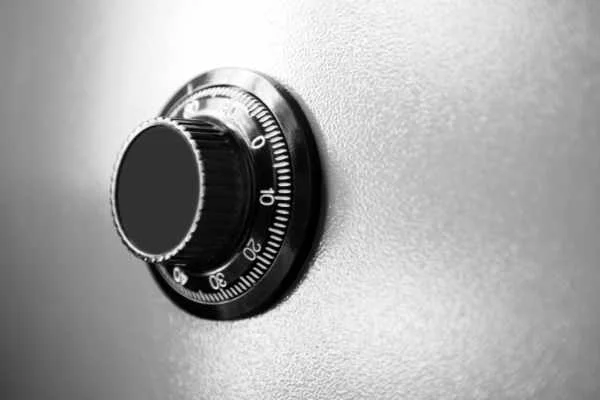
Sources are Jorgensen Active Safes’ public pages linked above, reviewed 10 October 2026. The photograph is locally hosted and credited to Jorgensen Active Safes; copyright remains with the source. Confirm current specifications directly with the company before purchase. Return to Which safe is best for me?